Pain is the vital indication that never ever rests quietly. It misshapes assessments, derails treatments, and breaks trust when it isn't taken seriously. If you operate in emergency care, pre-hospital services, remote health, or any kind of setting where points fail quick, you already know that skilled analgesia isn't a nice-to-have. It is the difference between a steady individual and a spiraling one. The national system PUAEME008 Give Discomfort Administration exists for exactly that reason. It licenses that you can evaluate, deal with, and display pain safely in the field, usually with minimal sources and under pressure.
This guide is composed for medical professionals and -responders considering up a discomfort monitoring training course, trying to translate what the device covers, where it fits, and whether it is worth your time. I will walk through extent, skills, training paths, evaluation assumptions, and the facts of using what you find out when the scene is loud, the patient is frightened, and the clock is unforgiving.
What PUAEME008 Is and Where It Fits
PUAEME008 Offer Pain Administration is a nationally identified system of competency frequently packaged within public safety and security, emergency care, and pre-hospital certifications. You will certainly see it coupled with devices like airway management and carrying out restricted medicines, and it regularly appears in pain management training courses for registered nurses, paramedics, and initial -responders that need to function within clinical administration frameworks.
The heart of the unit is useful. You are examined on your capacity to examine discomfort, select the appropriate analgesic path, deliver the treatment safely, check the client, record what you did, and connect modifications clearly to a receiving medical professional. The context usually presumes constrained environments, for example, roadside events, remote centers, sporting places, or industrial websites. The web content appropriates for professionals looking for a discomfort management certification as stand-alone upskilling or as component of a more comprehensive discomfort management qualification program. If you already hold a medications recommendation or are seeking one, this unit dovetails neatly.
Expect the training to attend to both medicinal and non-pharmacological options. Numerous providers line up the pharmacology part with representatives typically authorized for first-line analgesia in pre-hospital procedures, such as inhaled methoxyflurane, oral paracetamol, ibuprofen, intranasal fentanyl, or intramuscular ketamine, subject to administrative policies and the learner's extent of technique. Not every service provider will certainly cover every drug. Inspect before registering, specifically if your function requires certain agents.
The Clinician's Reasoning: Why This Unit Matters
Pain isn't just a symptom to be taped. Uncontrolled discomfort triggers considerate rises, elevates catecholamines, worsens myocardial oxygen demand, and can press prone clients into dangerous region. It likewise undermines cooperation, turning a straightforward splinting task into a fumbling match. In an injury situation or a weakening clinical client, reliable analgesia can relax the individual, reveal clues you can not or else analyze, and make it possible for risk-free transport without physical or psychological harm.
There's one more reality. Bad discomfort administration erodes trust. Individuals remember whether you tried to assist them hurt much less. A pain monitoring certificate course that refines your language, hones your analysis, and enforces disciplined monitoring pays returns in rapport and outcomes. Throughout the years I have seen nervous people end up being companions in their own treatment within minutes, even if the clinician named their discomfort, provided options, and supplied relief with silent confidence.
Who Usually Enrols
The cohort is differed. Pre-hospital responders, including firemans and rescue volunteers, full PUAEME008 Provide Discomfort Monitoring as part of a competencies pack. Registered nurses who operate in urgent treatment or outreach utilize it to define functional analgesia skills that exceed their first registration program. Physiotherapists, specifically those operating in sporting activities protection or remote practice, complete discomfort administration training as a complement to first -responder tasks. Allied health and wellness specialists that run in rural setups additionally benefit if their company expects on-call emergency situation response.
If you are searching for pain management training courses for nurses or pain administration programs for physio therapists, you will discover PUAEME008 ingrained simply put training courses in pain management that match both careers, supplied your existing scope enables you to provide the agents taught. The training carrier must set access prerequisites plainly, as an example, present emergency treatment at an advanced level, evidence of professional registration, or company recommendation for medications administration.
What the Device Covers in Practice
Training commonly begins with foundations before moving right into circumstance work. You will certainly discover structured discomfort analysis, with focus on numeric score ranges, functional impact, and pain descriptors that lead the differential medical diagnosis. The objective is to treat what you can while not missing what you should not. For instance, sharp pleuritic upper body pain in a tachycardic adult might recommend blood clot or pneumothorax rather than a straightforward bone and joint stress. An excellent facilitator keeps bringing you back to the question, "Suppose this isn't benign?"
The pharmacology module focuses on safety, start, period, and contraindications. Consider methoxyflurane for rapid, short-term alleviation when IV or intranasal options are delayed, intranasal fentanyl for rapid titration without IV gain access to, dental representatives as standards, and ketamine as a dissociative choice for extreme pain where high blood pressure is tenuous or opioids would certainly cause respiratory clinical depression. Administrative protocols vary, so your pain management training ought to map to your neighborhood medical standards and medication timetables. Documentation and administration recording are drilled consistently, including set numbers when pertinent, times, doses, and individual responses.
Non-pharmacological techniques are not window clothing. Splinting, mild repositioning, warm or cold therapy, led breathing, interruption, and clear descriptions can lower required doses and stay clear of unfavorable events. In an instance from a sporting activities field case, a well-applied vacuum splint with assuring mentoring reduced a person's pain by half before any type of medicine was provided. That margin matters when oxygen saturation is borderline or the patient is frail.
Monitoring is non-negotiable. You will certainly be evaluated on pre and post analgesia crucial indications, sedation scales, respiratory system price fads, degree of awareness, and useful renovation. The strongest prospects show curiosity and continuity, asking not just "What is the pain rating now?" but "What can you do since you couldn't do previously?"
Legal Framework and Scope
Medication management is controlled by state and territory regulations, organizational qualifications, and your expert enrollment. A pain management certificate does not magically grant authority to give every analgesic. Skills should sit inside a scientific governance envelope that establishes standing orders, protocols, and supervision demands. Employers normally call for money checks, ability logs, and normal reassessments.
This is where a discomfort monitoring qualification course differs from casual CPD. The qualification supports your practice in audited standards. Yet it still relies upon your company's methods and your professional range. If you are a nurse in a remote clinic with an extensive technique endorsement, your choices may be more comprehensive than those of a volunteer responder functioning under a fundamental procedure. The training must help you navigate those borders without running the risk of patient safety or your registration.
The Analysis: What to Expect
Assessment is normally divided into concept and useful components. Theory covers pharmacology, contraindications, negative effects, and legal duties. Most carriers make use of circumstance stations for the practical. You might be asked to manage an elderly person with a broken neck of femur, a young adult with a disjointed shoulder, or a multi-injury lorry accident client with distracting discomfort and developing vitals. The assessor enjoys how you talk with the patient, just how you choose your analgesia, whether you inspect allergic reactions and last oral consumption, and exactly how you titrate and reassess.
Expect to provide a handover to an obtaining medical professional. Clear structure assists: person demographics, mechanism of injury or illness, pain background and rating, treatments with timing and dosage, feedback, unfavorable results, and present plan. Smooth handover shows real understanding, not rote understanding. If your program consists of simulated radio reports, welcome them. In actual events, a good early call can prime the team and reduce time to definitive care.
Tips from the Area: Doing the Basics Incredibly Well
Pain administration is not concerning hurrying to the syringe. It starts with interest. A firm, correctly sized splint or a gentle reposition with a cushion under a rounded lumbar spinal column can exceed any kind of pharmacology that gets here five mins later on. I guidance trainees to make the initial min matter: call the pain, validate it, and provide a quick roadmap of what follows. Anxiety declines, respiratory rate steadies, and your assessment becomes easier.
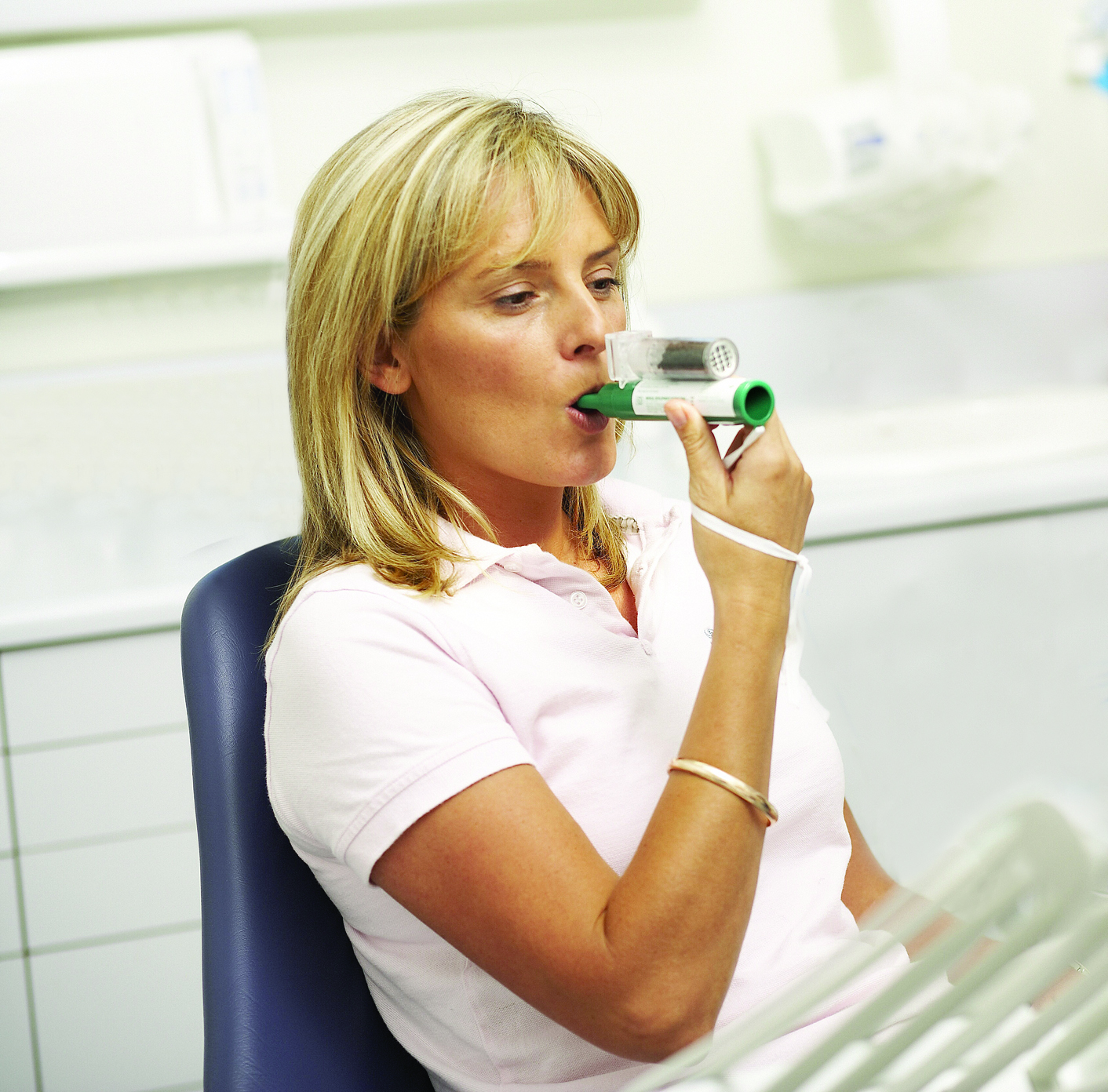
Dosing in the area compensates restraint combined with decisiveness. Under-dose and the person suffers. Overdo it and you take the chance of sedation, hypotension, or nausea or vomiting that threatens care. Use your surveillance data to titrate. If you provide intranasal fentanyl, set a mental timer, reassess in minutes, and adjust with little increments. If you utilize methoxyflurane, train inhalation strategy and anticipate start within a couple of breaths. For ketamine, be ready to describe dissociation and maintain a calm setting, decreasing stimulation while you keep an eye on high blood pressure and psychological status.
Side results administration should be acquired behavior. Nausea rates differ with different representatives, and pre-emptive antiemetics are not constantly available in entry-level methods. Easy steps like turning the head to the side, having a receptacle prepared, and stopping breathing can prevent troubles. Breathing clinical depression demands preparedness: airway accessories, placing, suction if required, and oxygen per neighborhood advice. Fit contacting clinical support early if your person's response is irregular or concerning.
Choosing the Right Provider
Not all discomfort administration training courses are equal. Look for positioning with your territory's methods and the medicines you are anticipated to utilize. Verify that the provider issues a Statement of Attainment for PUAEME008 Supply Discomfort Management which the trainers have present, relevant experience. It makes a distinction when your facilitator has actually handled roadside fractures on a cool night or juggled analgesia for an agitated head injury where hypotension would certainly be disastrous.
Simulator high quality and situation realism matter. High-fidelity manikins are valuable for monitoring and air passage responses, yet a skilled duty gamer can instruct you much more regarding relationship and anxiety administration. Preferably you will certainly encounter different client accounts: pediatric, geriatric, low body mass, and comorbid conditions. If your duty includes events protection or remote job, ask whether the training course consists of environmental restrictions, such as sound, poor lighting, restricted tools, and long transport times.
How PUAEME008 Integrates with More Comprehensive Education
Many medical professionals stack this unit with respiratory tract management, spinal injury treatment, trauma life assistance, and carrying out restricted medications units. If you intend to develop a pathway towards broader discomfort management accreditation, consider a sequence that enhances decision-making under anxiety. A certificate course suffering monitoring must not live in isolation. Analgesia selections intersect with hemodynamics, airway security, and neurological condition. The curriculum ought to help you balance these completing priorities.
For registered nurses, pain monitoring training for registered nurses typically pairs with IV cannulation and medication security components, particularly if you work in immediate treatment. For physio therapists, pain monitoring training courses for physio therapists may stress bone and joint analysis, splinting efficiency, and partnership with clinical staff. Consider PUAEME008 as a main link in a chain of proficiencies that makes you more secure and better in multi-disciplinary teams.
Common Pitfalls and Just how to Avoid Them
I have actually seen repeat mistakes during evaluations and on genuine tasks, and they are preventable. The greatest one is skipping a full discomfort history once the initial dosage is provided. You still require start, character, radiation, connected symptoms, and warnings, even if the patient is beginning to relax. The 2nd error is disregarding non-pharmacological strategies, which causes greater medication dosages and even more adverse effects. The 3rd is falling short to expect modifications: for instance, providing a representative that is likely to drop blood pressure in somebody currently borderline hypotensive, or choosing a breathed in alternative in a hypoxic, nauseated patient.
Documentation lag sneaks up during busy scenes. If you do not catch dosage, time, path, and action contemporaneously, restoration later will certainly be blurry and prone to mistake. Develop a routine: med in hand, watch in sight, pen ready. Lastly, interact with your group. If your partner does not recognize you have actually already carried out a dosage, double application can take place throughout chaotic moments.
Realistic Case Snapshots
A country accident, solitary lorry right into a tree, middle-aged chauffeur with a separated tib-fib fracture. Vitals are secure but the client is troubled and shivering. You apply a vacuum cleaner splint and warming covering while preparing methoxyflurane. After 4 to 6 breaths, the patient's pain score drops from 8 to 5. You trainer slower breathings and reassess flow distal to the splint. With boosted comfort, you capture an even more reliable history and verify no breast pain or abdominal tenderness. Carry profits smoothly, and you turn over with accurate times and reactions. The analgesia provided you space to believe and protected against further cells trauma.
A senior female with a low-energy hip crack in your home. You find a shortened, externally rotated leg and moderate hypotension. Dental representatives are limited by nausea, and breathed in analgesia may aggravate wooziness. You choose titrated intranasal fentanyl with careful surveillance, raise the legs slightly, and lessen activity with mild repositioning and cushions. You reassess frequently, watching breathing price and consciousness while getting ready for a much longer extrication. Without rushing to high doses, you achieve a bearable pain degree and keep perfusion.
A teenager athlete with shoulder dislocation on a football area. He fears, breathing quick, and protecting. You provide coaching, ice, and encourage sluggish exhalation while assembling the decrease equipment. With inhaled analgesia and clear explanation, you accomplish a mild decrease without excessive force. The individual records immediate alleviation and enhanced function. The speed stayed calm due to the fact that you acknowledged the anxiety and treated the pain early.
Currency, Refresher course Expectations, and Skills Over Time
Skills deteriorate. It takes months, not years, for a practitioner to shed the rhythm of evaluation, application periods, and documentation circulation if they are not making use of the abilities frequently. Many organizations establish refresher course intervals for PUAEME008 Provide Pain Monitoring around the 1 to 3 year mark, typically combined with broader emergency situation care updates. If your direct exposure is low, seek situation practice and supervised cases. Maintain a log of actual cases with de-identified information: preliminary pain score, representative and dosage, response, Go to this website and any kind of negative results. Patterns will certainly arise that refine your judgment.

Competence is greater than a certificate. Over time, the best professionals come to be peaceful and methodical in their strategy, quick to entail the patient in selections, and disciplined in surveillance. They expect instead of react. They know when to intensify for added support and when to move from one analgesic path to an additional. That is what this system is intended to seed.
What This Appears like on Your Resume and At Work
Completing a provide Take a look at the site here discomfort monitoring program that results in the PUAEME008 statement of achievement signals to companies that you can manage among one of the most constant and consequential troubles in emergency care. For group leaders, it minimizes danger. For the public, it boosts experience. When paired with strong interaction skills, it can set you apart in affordable duties where client get in touch with is intense and results rely on early, efficient interventions.
Candidates applying to occasion medicine, commercial websites, mines, or remote clinics are usually screened for useful expertises, not just levels. Having pain monitoring certification in a style recognized by national standards makes your situation simple. It likewise pushes your team society toward far better analgesia. When one clinician files diligently and supports for early pain relief, peers have a tendency to follow.
Selecting Between Brief Programs and Wider Programs
Some students desire targeted upskilling, so they go with brief training courses hurting management that provide PUAEME008 and nothing else. This is reliable if you currently have durable air passage and injury care training. Others favor to enlist in a discomfort monitoring certification program bundled with adjunct devices such as IV therapy, oxygen treatment, or injury response. The 2nd path generates a richer, integrated capability however needs more time and cost.
Make the option based on your function and voids. If you are a nurse with solid scientific structures yet new to pre-hospital logistics, a package that includes scene safety and security and communications may assist. If you are a physio therapist mostly covering sports occasions with clinical assistance nearby, a much shorter, firmly focused pain administration training program can be ideal, given you understand your medication authority restrictions and neighborhood recommendation pathways.
Costs, Time Commitments, and What to Ask Before You Enrol
Most programs run between one and 2 days of focused instruction, with pre-reading and on the internet theory elements. Costs differ widely by service provider, location, and included medicines, but anticipate a range that reflects trainer knowledge and simulation sources. Prior to you commit, request a malfunction: get in touch with hours, situation matter, maximum class size, medicine formulary covered, and the exact evaluation approach. Validate that the provided paperwork plainly details PUAEME008 Offer Discomfort Administration by code and title, as companies and auditors look for those details.
If your organization funds the course, straighten days with functional requirements and ensure your tools bag will match what you discover. Absolutely nothing kills ability transfer quicker than discovering to utilize a tool you never bring, or memorizing a method your service does not permit. After the training course, timetable an abilities check with your scientific lead and run a simulated circumstance with your group to embed the changes.
Final Thoughts on Mastery and Mindset
Pain monitoring is, at its best, a mix of scientific research and visibility. You need the pharmacology within your reaches and the humility to stop, pay attention, and action. You will experience side situations: a stoic farmer that rates pain as 3 however can not birth you touching the arm or leg, a child who yells at the sight of the mask however silences when you let them hold it, a sickly person whose blood pressure does not endure your very first medicine option. The training had in PUAEME008 arms you with organized options. Experience will show you when to damage the rhythm and improvise securely within protocol.
If you buy a give discomfort management training course with qualified assessment, devote to continuous technique, and grow the routine of early comfort actions, you will change patient experiences in profound ways. You will certainly likewise make your job less complicated, your handovers cleaner, and your group much more efficient. That is the peaceful power of proficient analgesia: it steadies the individual and steadies the clinician, removing the means for the rest of the work that should be done.
